
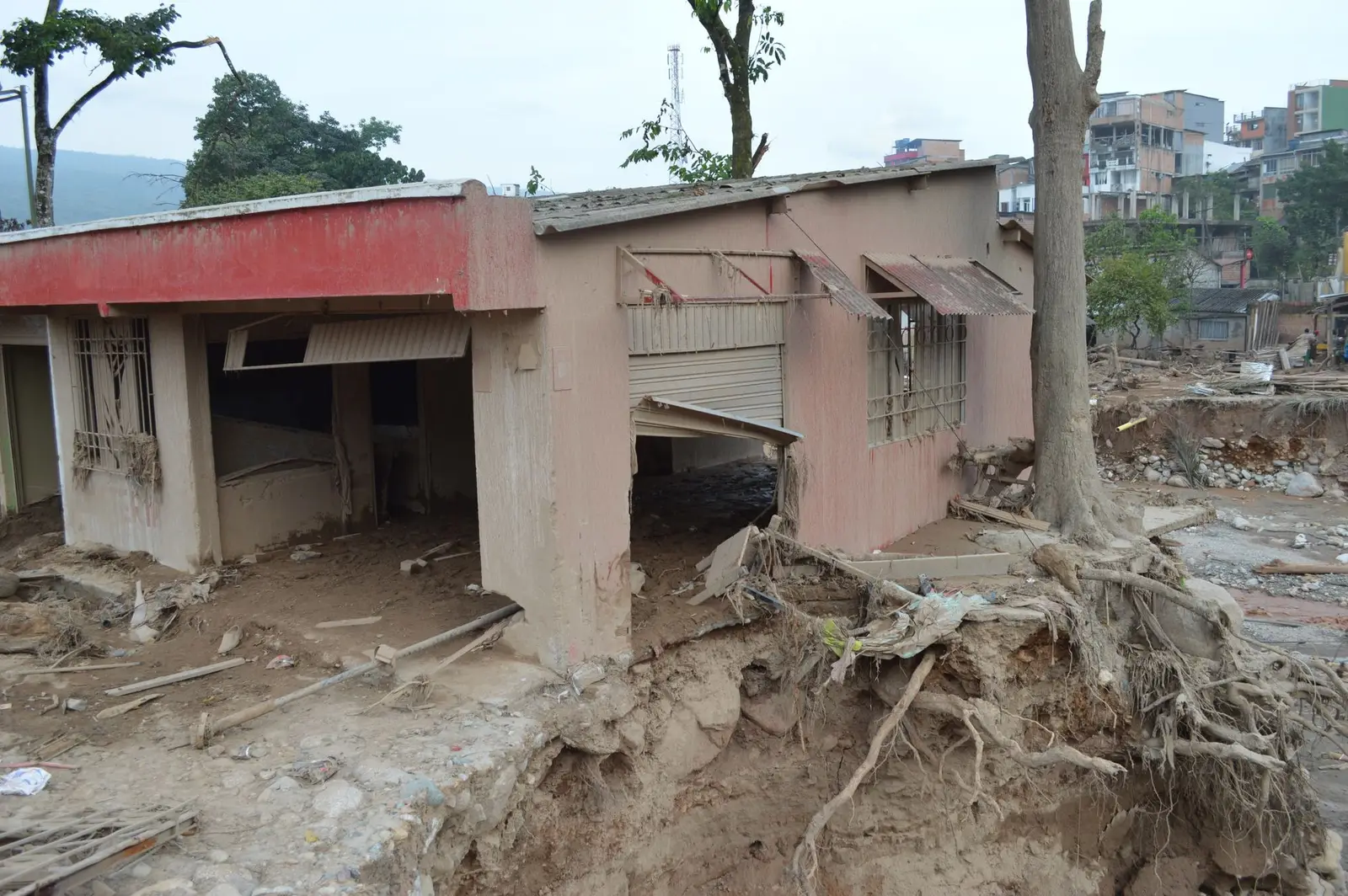
What Sanitation Does a Disaster Response Need?
Start with toilets and water. A shelter, staging area or command post needs both, and OSHA 1926.51(a)(1) requires an adequate supply of potable water at any place of employment, which covers a relief site staffed by paid crews or contractors. Pair that water with handwashing station rental units, because soap and a way to dry hands matter more during a disaster, not less. 29 CFR 1910.141(d)(2) is specific here: washing facilities need soap and towels or a hand-drying device, and hand sanitizer alone does not satisfy it.
Toilet counts follow headcount. OSHA 1926.51(c)(1) sets the construction ratio at one toilet for 20 workers or fewer, climbing to one toilet and one urinal per 40 workers once you pass that threshold. A shelter running on National Guard or utility crews scales the same way. If the population is mixed, families, elderly residents, workers, add an accessible unit under ADA accessible porta potty service; ADA Standards 213.2 requires at least 5 percent of a clustered group be accessible, never fewer than one. For deployments where flushable convenience matters and staging space allows it, a deluxe flushable porta potty unit covers that need without hooking into damaged plumbing lines.
Bigger deployments, an evacuation center or a multi-day command post, often need more than toilets. That is where a restroom trailer rental or a shower trailer rental earns its space, letting displaced residents clean up properly instead of relying on wipes for a week.
How Fast Can Units Be Delivered During an Emergency?
Rush delivery inside Indianapolis is usually measured in hours once we confirm site access. A roll-off or restroom trailer needs about 60 feet of straight clearance behind the delivery truck, so clearing a path matters as much as placing the order. Our emergency porta potty rental service exists for exactly this timeline, and it works the same way whether the trigger is a flooded basement or a citywide outage.
Debris almost always follows a disaster, downed trees, waterlogged drywall, ruined furniture. A roll-off dumpster rental clears that fast, and sizing depends on the damage: a 10 yard dumpster rental handles a single flooded room, while a 20 yard dumpster rental or 30 yard dumpster rental suits a full property clear-out. Know what cannot go in a dumpster before loading, since hazardous debris from storm damage often needs separate handling. If site security is a concern while residents are displaced, temporary fence rental keeps people out of unstable structures, and OSHA 1926.202 requires any barricade used to protect workers to meet ANSI D6.1.
Households without functioning septic systems after flooding need pumping fast, not eventually. Emergency septic service covers tanks that have backed up or flooded, and if the system needs a temporary bridge while repairs happen, holding tank rental fills that gap. A typical residential tank is pumped every 3 to 5 years under normal use, but flood intrusion can force an off-cycle pump-out regardless of that schedule.

Do Disaster Sites Still Need to Follow OSHA and ADA Rules?
Yes. Emergency conditions do not suspend the sanitation rules that protect workers and residents; they just compress the timeline for meeting them. OSHA 1926.51(c) toilet ratios still apply to any construction or debris crew on-site, and ADA Standards 404.2.3 still requires a 32 inch clear door opening on any unit serving someone with limited mobility. Lighting matters too: OSHA 1926.56(a) sets minimum illumination for construction areas, which applies if crews are working after dark clearing debris under generator power.
Placement in the public right of way after a disaster still needs confirming with the city; Indianapolis permit rules for temporary placement are not something to guess at under pressure. For agricultural properties displaced by flooding, OSHA 1928.110 sets a separate field sanitation standard, one facility per 20 workers within a quarter mile walk, relevant for farm operations near Brownsburg or Plainfield running cleanup crews. Storage needs often follow disaster response too: a storage container rental secures salvaged belongings, and a mobile office trailer rental gives a displaced business a place to operate while the building dries out.
How much does emergency porta potty service cost during a disaster?
Standard unit day rates run 100 to 350 dollars depending on urgency and quantity. Rush delivery fees typically land between 100 and 500 dollars for a single-day dispatch. See porta potty rental cost for full detail on how pricing breaks down by duration.
Can Indianapolis Porta Pros deploy to towns outside Indianapolis during a regional disaster?
Yes. We already serve Beech Grove, 6.7 miles southeast, and Speedway, 6.7 miles west, along with Fishers, 17.4 miles northeast. Check service areas for the full list of towns we reach.
How many toilets does a shelter of 100 people need?
Under OSHA 1926.51(c)(1) ratios, 100 people needs roughly three toilets and urinals combined, scaled from the 40-worker tier. Add at least one accessible unit per ADA Standards 213.2. Use how many porta potties do I need to calculate exact counts.
What if a septic system floods during a disaster?
Call for emergency septic service right away. Flooding can force pumping outside the normal 3 to 5 year cycle, and delaying risks backflow into the home or yard.
Can debris and damaged materials go in the same dumpster as sanitation waste?
No. Portable toilet waste is handled separately by service trucks, never mixed with roll-off debris. Check what cannot go in a dumpster before loading storm debris, since some materials need separate disposal entirely.

Next step
Get a delivery date
Tell us the address, the dates and the headcount. We size the order and confirm the route.