
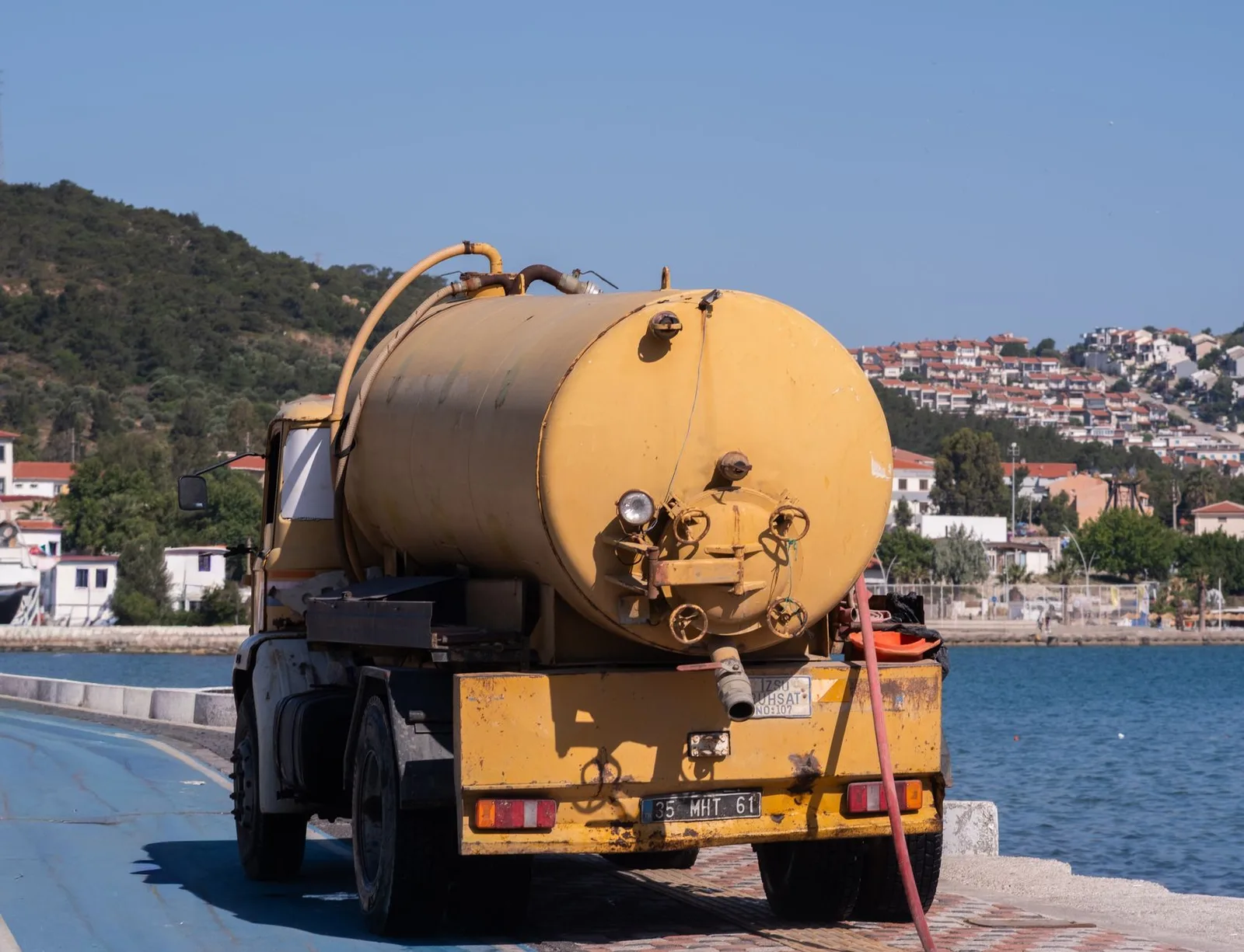
How Much Does Septic Tank Pumping Cost?
Most Indianapolis homeowners pay somewhere between $150 and $300 for a routine pumping visit, and that band holds whether you're on a standard schedule or calling because the tank is overdue. Weekend service is priced differently: expect $50 to $150 for a weekend call, which sits lower than the weekday day-rate because it is usually a shorter, single-purpose visit rather than a full-service stop. The number that moves the price most is access. A tank with a buried lid that needs digging out costs more in labor than one with a risered lid at grade. If you are not sure which category your property falls into, septic pumping service is the page to start with, and it is the cluster this cost page sits under, alongside septic tank cleaning for the fuller service option. Homes with grease-heavy kitchen use or a garbage disposal running constantly tend to fill faster, which pushes the interval down and the annual cost up over time, similar to how dumpster rental cost shifts with how fast a job site fills a container.
| service | duration | low | typical | high |
|---|---|---|---|---|
| septic pumping | day | $150 | $250 | $300 |
| septic pumping | weekend | $50 | $100 | $150 |
What Drives Septic Tank Cleaning Prices?
Tank size, access, and how much solid buildup has accumulated all drive the price. A residential septic tank is typically pumped every 3 to 5 years, and that interval is set by tank size and household size, not by a fixed calendar date. A house with five people showering, doing laundry, and running a dishwasher every day will hit the 25 percent solids mark faster than a two-person household in the same size tank, the same way a busy job site needs to check porta potty rental cost against actual headcount rather than a flat guess. That is the same threshold used for grease interceptors, which are pumped once fats, oils, grease and solids reach 25 percent of the liquid depth, and it is worth knowing if your Indianapolis property also runs a grease trap pumping schedule for a restaurant or commercial kitchen on the same lot. Distance from the truck's parking spot to the tank matters too, much like dumpster sizes and dimensions affect where a roll-off can actually sit on a tight lot. A long hose run or a tank set behind a fence adds time, and time is what you're paying for on a service call like this.

When Should You Schedule Septic Tank Pumping?
Schedule pumping before you see backups, slow drains, or standing water near the drain field, not after. Waiting for symptoms usually means a tank that has gone past the 3 to 5 year window most residential systems need, and by then solids may be closer to the tank outlet than you want. If you already see septic tank warning signs, treat that as urgent rather than routine, since a tank backing up into the house is a different call than an on-schedule pump-out. Indianapolis properties on well and septic, particularly out past Greenwood or Plainfield, tend to run these systems for decades without issue as long as pumping stays on schedule. If you're not sure how often your specific setup needs service, how often to pump a septic tank walks through the sizing math in more detail. Emergency calls exist for a reason: if a tank floods after heavy rain or a line backs up on a weekend, emergency septic service is built for that, not for routine maintenance.

Are There Alternatives to a Permanent Septic Tank?
Yes, and they matter if your property doesn't have a working tank yet or the system is down for repair. A rented holding tank can bridge the gap during construction, a septic repair, or a temporary event on a property without permanent plumbing, the same kind of gap event restroom rental covers when a venue has no fixed facilities. Holding tank rental covers that use case directly, and it pairs well with portable restrooms if the house itself is unlivable during the work. Construction crews building new homes on septic in Indianapolis often need construction site services running in parallel, including a porta john rental or two while the permanent system gets installed and inspected. Farms and agricultural operations around the Indianapolis area sometimes run holding tanks alongside farm and agricultural restrooms setups too, and OSHA 1928.110 sets a baseline for that kind of hand-labor operation: one facility per 20 employees, reachable within a quarter mile walk. That standard is built for farm labor crews, not residential septic, but it's a useful reference if your property does both.

Do You Need Anything Else When You Rent Portable Sanitation?
Often, yes, especially on a job site where septic work is underway. If crews are digging near a drain field or replacing a tank, a portable toilet on site keeps things moving without anyone tracking through the yard. Standard porta potty rental covers most job sites, and OSHA 1926.51(c) sets the ratio: one toilet for 20 workers or fewer, then additional fixtures as the crew grows past that. If the crew is doing any painting, coating, or chemical work on site at the same time, OSHA 1926.51(f)(1) requires washing facilities for that specific contaminant exposure, and a handwashing station rental satisfies that alongside 29 CFR 1910.141(d)(2), which requires soap and towels or a hand-drying device, not just sanitizer. Larger residential projects sometimes bring in a roll-off dumpster rental for old tank debris and excavation waste at the same time, and a temporary fence rental to keep people clear of the open excavation. If the property needs an accessible unit for any reason, ADA Standards 213.2 requires at least one accessible unit in any cluster of portable toilets, which ADA accessible porta potty covers directly, and monthly porta potty rental is worth checking if the job runs long.
How much does a 1,000 gallon septic tank pumping cost near me?
In Indianapolis, expect $150 to $300 for a standard day-rate pumping visit on a typical residential tank. Weekend service runs lower, $50 to $150. Access, tank fullness, and distance to the truck's parking spot all affect where in that range your job lands.
How often does a residential septic tank need pumping?
Most residential tanks need pumping every 3 to 5 years, based on tank size and household size. Larger households or heavy disposal use shorten that interval. Smaller households with a larger tank can sometimes stretch closer to the 5 year mark.
What is the difference between septic pumping and septic cleaning?
Pumping removes liquid and settled solids from the tank. Cleaning can mean a more thorough service that includes checking baffles and outlets. Most routine service calls are pumping visits, priced the same way, and cleaning is usually part of that same appointment.
Can I rent a holding tank while my septic system is being repaired?
Yes. A rented holding tank bridges the gap while a permanent tank is repaired, replaced, or newly installed. Holding tank rental is built for exactly this, and it can run alongside portable restroom rental if the house is temporarily without working plumbing.
Does a full septic tank always mean it needs emergency service?
Not always, but slow drains, gurgling pipes, or standing water near the drain field are signs to act fast. Those symptoms often mean the tank has gone past its pumping window. If backup is already happening inside the house, treat it as an emergency call, not a routine one.
Next step
Get a delivery date
Tell us the address, the dates and the headcount. We size the order and confirm the route.